Top SEO Strategies That Still Work After Google’s Latest Updates
Search engine optimization has changed dramatically over the last few years. With every major Google update — from helpful content systems and spam updates to AI-driven search improvements — many old-school SEO tactics have become ineffective or even harmful. Keyword stuffing, thin content, low-quality backlinks, and mass-produced pages no longer deliver sustainable rankings.
Yet SEO is far from dead. In fact, the latest Google updates reward websites that focus on real value, expertise, user experience, and technical quality. Businesses, bloggers, agencies, and ecommerce brands can still achieve strong rankings and organic traffic if they follow modern SEO best practices.
In this detailed guide, we’ll explore the top SEO strategies that continue to work after Google’s latest updates in 2026. These are practical, proven, and future-focused tactics you can apply to improve visibility, rankings, and conversions.
1. Create People-First, Helpful Content
Google’s Helpful Content System prioritizes content written for humans, not just search engines. Pages created solely to rank for keywords without offering genuine value are increasingly demoted.
What Google Wants
Google now evaluates whether your content:
- Answers the user’s question clearly and completely.
- Demonstrates real expertise or experience.
- Provides unique insights, examples, or original information.
- Keeps users engaged and satisfied.
- Avoids clickbait or misleading headlines.
How to Implement This Strategy
Understand search intent deeply
Before writing, identify why users are searching for a keyword. Are they looking for:
- Information (“What is SEO?”)
- A solution (“How to improve SEO rankings?”)
- A comparison (“Best SEO tools 2026”)
- A purchase (“Buy SEO services”)
Create content that matches that intent precisely.
Write comprehensive, structured content
Long-form content still performs well when it is organized and useful. Use:
- Clear headings (H2, H3, H4)
- Short paragraphs
- Bullet points and numbered lists
- Examples, case studies, and statistics
- FAQs and actionable tips
Show Experience, Expertise, Authoritativeness, and Trustworthiness (E-E-A-T)
Google emphasizes E-E-A-T. Strengthen it by:
- Including author bios with credentials.
- Sharing real-world experience and case studies.
- Citing credible sources and data.
- Keeping content accurate and updated regularly.
Key takeaway: Helpful, experience-based content is the foundation of modern SEO.
2. Focus on Topical Authority, Not Just Individual Keywords
Google increasingly rewards websites that demonstrate expertise across an entire topic, not just one isolated article.
What Is Topical Authority?
Topical authority means your website covers a subject comprehensively. For example, a digital marketing agency shouldn’t publish only one article on SEO. It should create a connected ecosystem of content around:
- On-page SEO
- Technical SEO
- Local SEO
- Link building
- Keyword research
- SEO tools
- Google updates
- Content marketing and SEO
How to Build Topical Authority
Create topic clusters
Build a pillar page on a broad topic and link it to multiple cluster articles covering subtopics in detail.
Example:
- Pillar Page: Complete Guide to SEO in 2026
- Cluster Articles: Keyword Research, Technical SEO, Local SEO, Core Web Vitals, Link Building, etc.
Use internal linking strategically
Link related articles together naturally. Internal links help Google understand your site structure and distribute authority across pages.
Cover topics in depth
Don’t stop at basic definitions. Include:
- Step-by-step processes
- Advanced tips
- Tools and examples
- Common mistakes
- Updated trends and FAQs
Key takeaway: Become the go-to resource for a topic, not just a site targeting random keywords.
3. Optimize for Search Intent and User Experience
Google measures how users interact with your content. If users quickly leave your page and return to search results, it signals dissatisfaction.
Improve User Experience (UX)
Match content format to intent
Different queries require different formats:
| Search Intent | Best Content Format |
|---|---|
| Informational | Guides, tutorials, blogs |
| Commercial investigation | Comparisons, reviews, “best of” lists |
| Transactional | Product/service pages |
| Navigational | Brand or homepage pages |
Improve readability
Users scan before they read. Make content easy to consume with:
- Descriptive headings
- Bold key points
- Short sentences and paragraphs
- Tables, lists, and visuals
- Clear introductions and summaries
Add engagement elements
Keep users on the page longer by adding:
- Images and infographics
- Videos or embedded tutorials
- Interactive tools or calculators
- FAQs and quick-answer boxes
Key takeaway: SEO is no longer just about rankings — it’s about satisfying users better than competitors.
4. Strengthen Technical SEO Foundations
Even the best content can struggle if your website has technical issues. Google’s crawlers need to access, understand, and index your pages efficiently.

Essential Technical SEO Tasks
Improve Core Web Vitals
Google still uses page experience signals, including:
- Largest Contentful Paint (LCP): loading speed
- Interaction to Next Paint (INP): responsiveness
- Cumulative Layout Shift (CLS): visual stability
Optimize by:
- Compressing images (WebP/AVIF formats)
- Using fast hosting and CDNs
- Minimizing JavaScript and CSS
- Lazy-loading images and videos
- Reducing server response time
Ensure mobile-first optimization
Google indexes the mobile version of your site first. Make sure your website is:
- Fully responsive
- Easy to navigate on mobile devices
- Fast-loading on 4G/5G connections
- Free from intrusive pop-ups
Fix crawl and indexing issues
Regularly audit your site using Google Search Console and SEO tools to identify:
- 404 errors
- Redirect chains
- Duplicate content
- Blocked pages in robots.txt
- Indexing issues
- Broken internal links
Use structured data (Schema Markup)
Schema helps search engines understand your content and can improve visibility with rich results. Implement schema for:
- Articles and blog posts
- FAQs
- Products
- Local businesses
- Reviews and ratings
- Breadcrumbs
Key takeaway: Technical SEO ensures Google can crawl, index, and rank your content efficiently.
5. Build High-Quality, Relevant Backlinks
Backlinks remain one of Google’s strongest ranking signals — but quality matters far more than quantity after recent spam updates.
What Works Now
Earn editorial backlinks
The best links come naturally from reputable websites that reference your content because it’s valuable.
Focus on relevance and authority
A few links from trusted, niche-relevant websites are more valuable than hundreds of low-quality directory or spam links.
Use ethical link-building methods
Effective modern tactics include:
- Guest posting on authoritative industry blogs.
- Digital PR and newsworthy campaigns.
- Creating linkable assets such as original research, statistics, infographics, and tools.
- Broken link building by replacing outdated resources with your content.
- Partnerships and collaborations with relevant businesses and creators.
What to Avoid
Google’s spam updates target manipulative link practices, including:
- Buying low-quality backlinks in bulk
- Private blog networks (PBNs)
- Spammy directory submissions
- Automated link-building software
- Irrelevant forum or comment spam
Key takeaway: Earn links through authority, relevance, and valuable content — not shortcuts.
6. Optimize for AI-Powered Search and Featured Results
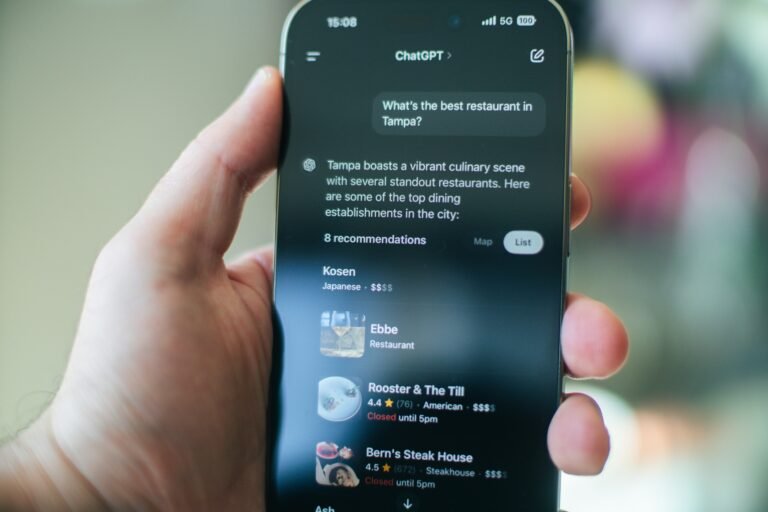
Google’s search results now include AI Overviews, featured snippets, People Also Ask boxes, and other enhanced SERP features. Ranking #1 organically is still important, but visibility across these features is becoming equally valuable.
How to Optimize for AI and SERP Features
Answer questions directly
Include concise, clear answers near the top of sections. Example:
What is topical authority? Topical authority is a website’s demonstrated expertise and comprehensive coverage of a specific subject area.
This increases your chances of appearing in featured snippets and AI summaries.
Use FAQ sections
Add well-structured FAQ sections with schema markup. These can help you appear in People Also Ask results.
Write in a conversational, natural style
AI-powered search systems favor content that is easy to understand and directly answers user queries.
Structure content logically
Use clear headings, numbered steps, and bullet points so search engines can extract information easily.Key takeaway: Optimize not just for blue links, but for AI summaries, snippets, and other SERP features.
7. Prioritize Local SEO for Location-Based Businesses
For businesses serving specific cities or regions, local SEO remains one of the highest-ROI strategies.

Essential Local SEO Strategies
Optimize your Google Business Profile
Complete every section:
- Business name, address, and phone number (NAP)
- Categories and services
- Business hours
- Photos and videos
- Website and booking links
- Regular posts and updates
Collect and manage reviews
Positive, authentic reviews improve local rankings and conversions. Encourage satisfied customers to leave reviews and respond to them professionally.
Create location-specific pages
If you serve multiple areas, create dedicated pages for each city or region with unique content, testimonials, and service details.
Build local citations
Ensure your business information is consistent across directories, maps, and industry listings.Key takeaway: Local SEO is still extremely powerful for agencies, travel companies, clinics, restaurants, and service businesses.
8. Refresh and Update Existing Content Regularly
One of the fastest ways to improve SEO is to update content you already have. Google favors fresh, accurate, and up-to-date information, especially for topics that change over time.
How to Refresh Content Effectively
Update outdated information
Replace old statistics, screenshots, tools, and references with current data.
Improve content depth
Add new sections, FAQs, examples, and insights to make the article more comprehensive.
Optimize for new keywords
Search trends evolve. Use Google Search Console to find new queries your page is already getting impressions for, then expand the content to address them better.
Improve internal linking
Link updated content to newer related articles and ensure important pages receive internal links from other relevant posts.Key takeaway: Updating existing content is often easier and faster than creating new content from scratch.
9. Use Smart Keyword Research — But Don’t Over-Optimize
Keywords still matter, but modern SEO is about context and relevance, not exact-match repetition.
Modern Keyword Research Approach
Target primary and secondary keywords
For each page, choose:
- Primary keyword: the main topic of the page.
- Secondary keywords: related phrases, questions, and variations users search for.
Example for this article:
- Primary: Top SEO strategies after Google updates
- Secondary: helpful content SEO, topical authority, technical SEO, Core Web Vitals, AI search optimization
Use semantic keywords naturally
Google understands related terms and concepts. Instead of repeating the exact keyword unnaturally, use synonyms and related phrases throughout the content.
Avoid keyword stuffing
Over-optimization can hurt readability and rankings. Focus on writing naturally while covering the topic thoroughly.Key takeaway: Use keywords strategically, but prioritize clarity, relevance, and user value.
10. Build Brand Authority and Trust Signals
Google increasingly rewards recognizable, trustworthy brands. Strong branding improves click-through rates, backlinks, mentions, and overall SEO performance.
How to Build SEO-Friendly Brand Authority
Maintain a consistent online presence
Keep branding, messaging, and contact information consistent across your website, social media, and directories.
Publish expert-driven content consistently
Regularly publish high-quality articles, case studies, videos, and insights that demonstrate expertise in your industry.
Earn mentions beyond backlinks
Google can recognize brand mentions even without links. PR, podcasts, interviews, webinars, and social engagement all contribute to authority.
Improve trust signals on your website
Include:
- Clear About and Contact pages
- Author bios and credentials
- Client testimonials and case studies
- Secure HTTPS connection
- Transparent policies (privacy, terms, refunds)
Key takeaway: SEO and branding now work hand in hand. Trusted brands tend to rank better over time.
11. Measure Performance and Adapt Continuously
SEO is not a one-time task. Google’s algorithms evolve constantly, so ongoing monitoring and optimization are essential.
Key Metrics to Track
Organic traffic
Monitor growth in sessions and users from organic search using Google Analytics 4.
Keyword rankings
Track your target keywords, but focus on overall visibility and traffic, not just one ranking position.
Click-through rate (CTR)
Use Google Search Console to identify pages with high impressions but low CTR. Improve titles and meta descriptions to attract more clicks.
Conversions and engagement
Measure leads, sales, form submissions, time on page, and bounce rate to understand whether SEO traffic is delivering business results.
Technical health
Run regular audits to catch crawl errors, broken links, slow pages, and indexing issues before they impact rankings.Key takeaway: Data-driven SEO helps you identify what’s working, fix problems quickly, and stay ahead of algorithm changes.
12. What SEO Strategies No Longer Work Reliably
To succeed after Google’s latest updates, it’s equally important to avoid outdated tactics.
Avoid These Practices
- ❌ Keyword stuffing in content, titles, or meta tags
- ❌ Publishing thin, AI-generated, or low-value content at scale
- ❌ Buying cheap backlinks or using link farms
- ❌ Creating multiple near-duplicate pages for slight keyword variations
- ❌ Hiding text, cloaking, or other manipulative techniques
- ❌ Overusing exact-match anchor text in backlinks
- ❌ Ignoring mobile experience and page speed
- ❌ Publishing content without updating it for years
Google’s systems are now much better at identifying spammy or low-quality SEO tactics. Sustainable growth comes from quality, relevance, and user satisfaction.
Final Thoughts: The Future of SEO Is User-Centric
Google’s latest updates have not killed SEO — they have refined it. The search engine is increasingly focused on delivering the best possible experience for users. Websites that prioritize helpful content, genuine expertise, technical excellence, and trust will continue to thrive.
The Most Effective SEO Strategies in 2026
To summarize, the SEO strategies that still work best are:
- ✅ Create helpful, people-first content.
- ✅ Build topical authority with content clusters.
- ✅ Optimize for search intent and user experience.
- ✅ Maintain strong technical SEO and Core Web Vitals.
- ✅ Earn high-quality, relevant backlinks ethically.
- ✅ Optimize for AI-powered search and featured snippets.
- ✅ Invest in local SEO if you serve specific regions.
- ✅ Refresh and update existing content regularly.
- ✅ Use smart, natural keyword optimization.
- ✅ Build brand authority and trust signals.
- ✅ Track performance and adapt continuously.
SEO success today is about long-term value, credibility, and user satisfaction — not shortcuts. Businesses and creators who embrace this approach will be best positioned to grow their organic visibility despite future Google updates.
Bonus: Quick SEO Action Plan for the Next 30 Days
Audit Your Website (Week 1)
- Check Google Search Console for errors and opportunities.
- Improve page speed and Core Web Vitals.
- Fix broken links and indexing issues.
Improve Existing Content (Week 2)
- Update your top 5 traffic-generating blog posts.
- Add FAQs, internal links, and fresh data.
- Optimize titles and meta descriptions for better CTR.
Build Topical Authority (Week 3)
- Create a pillar page for your main service/topic.
- Publish 2–3 related cluster articles.
- Link all related pages together strategically.
Strengthen Authority and Local SEO (Week 4)
- Optimize your Google Business Profile.
- Request reviews from happy customers.
- Reach out for one high-quality guest post or collaboration.
By consistently applying these strategies, you can build a resilient SEO foundation that continues to perform well even as Google’s algorithms evolve.