How to Optimize Your Website for AEO in 2026
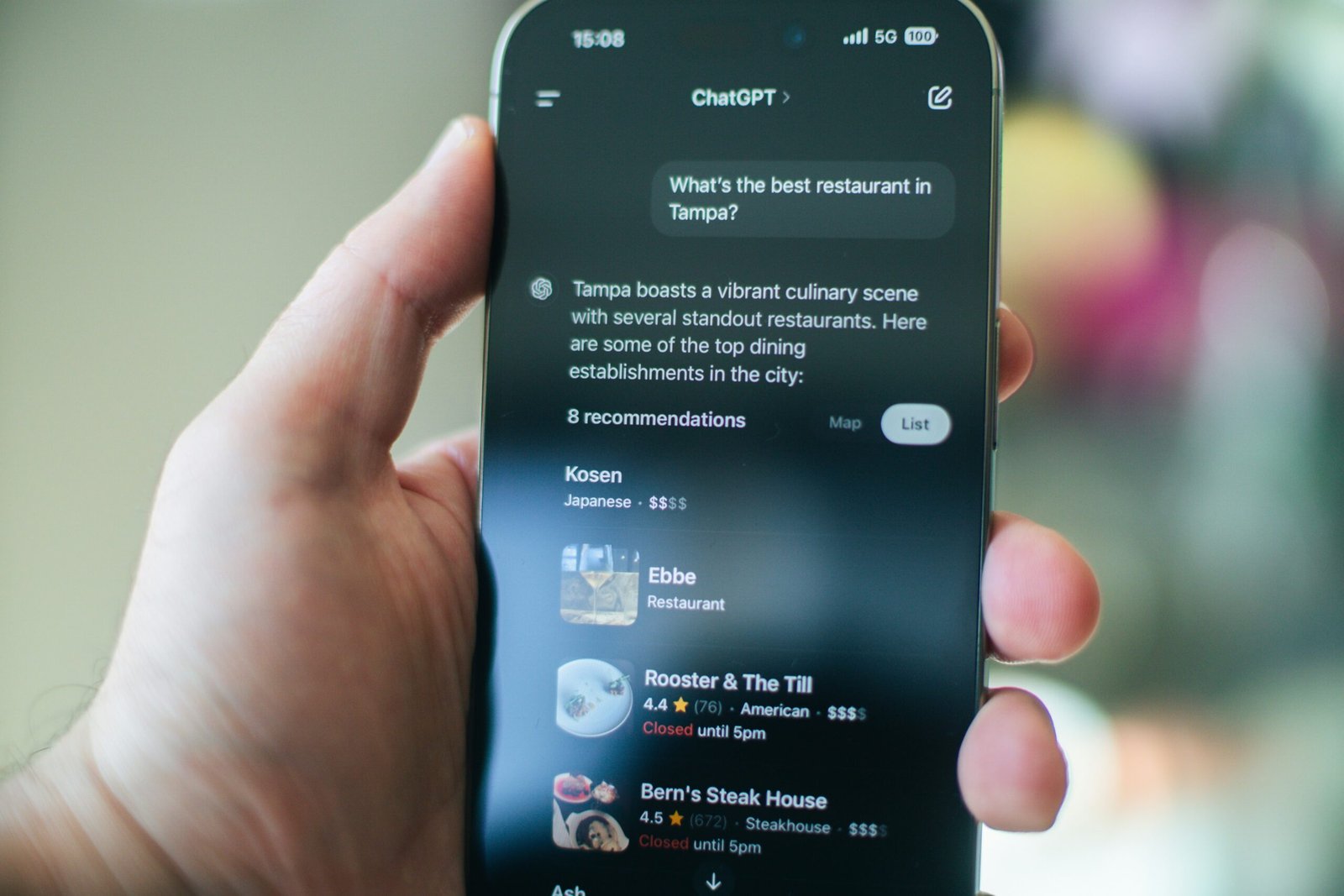
Search is fundamentally changing, moving rapidly from traditional links to synthesized, generative answers. With the dominance of AI Overviews, Perplexity, and conversational interfaces, users are no longer satisfied with scrolling through ten blue links; they expect instant, verifiable answers. This shift has elevated Answer Engine Optimization (AEO) from an emerging trend to a mandatory pillar of digital marketing. While traditional SEO optimizes for visibility on search engine results pages, AEO focuses strictly on structuring your content so that AI-powered systems can extract, verify, and confidently cite it as the most authoritative answer.
For businesses aiming to maintain organic visibility in 2026, the strategy requires a pivot toward answer-first writing, hyper-specific fact density, and rigorous entity consistency. At Expert Marketing Studio, we have observed that brands adapting to AEO not only survive the rise of zero-click searches but capture highly qualified, high-intent traffic from AI citations.
The Evolution: SEO vs. AEO
Understanding the distinction between SEO and AEO is critical for resource allocation. SEO focuses on broad keyword rankings, technical crawlability, and backlink profiles to signal authority to search engine algorithms. AEO, however, is designed to serve Large Language Models (LLMs) and generative search features. Answer engines do not merely rank pages; they extract specific data points to construct conversational responses.
When a user asks, “What is the difference between AEO and SEO?”, an answer engine does not want to read a 500-word introductory narrative. It wants a concise definition, a comparison table, and verifiable facts. Consequently, your content architecture must shift from keyword density to fact density, ensuring that AI agents can effortlessly parse your site’s data.
6 Proven Strategies for AEO in 2026
To position your brand as a trusted citation in AI-generated answers, you must align your content with how LLMs process information. Implementing these six foundational strategies will directly improve your share of model (SoM) and citation frequency.
1. Adopt an Answer-First Content Structure
Answer engines prioritize content that surfaces the core answer at the very top of the page or section. By utilizing the inverted pyramid technique—historically used by journalists—you give AI systems exactly what they need immediately.
- The 40-Word Rule: Start every informational section with a clean, factual statement of 40 to 60 words that can stand entirely on its own.
- Complete Sentences in Lists: AI systems extract full sentences, not fragments. Instead of listing “Faster setup,” write “Customers reduce setup time by 47% in the first 30 days”.
- Self-Contained Sections: Keep subsections between 200 and 400 words. Each section should function as an independent, extractable mini-answer for Retrieval-Augmented Generation (RAG) models.
2. Maximize Fact Density and Verifiable Accuracy
To prevent hallucinations, answer engines aggressively filter for highly accurate, fact-dense sources. Vague marketing copy actively harms your AEO potential. If your page lacks verifiable statistics, it falls below the citation threshold for AI models.
- Audit Fact Ratios: Aim to include a specific, verifiable data point every 150 to 200 words.
- Remove Fluff: Eliminate qualifying adverbs, speculative language, and subjective commentary. Replace claims like “industry-leading” with verified data points, such as “deployed by 400 enterprise clients in 2025.”
- Timestamp Everything: Implement visible “Last updated” timestamps on all articles and ensure
dateModifiedschema is active, as AI systems heavily weight recency.
3. Establish Unbreakable Entity Consistency
AI models understand the world through entities—distinct people, places, organizations, and concepts. If your brand’s core facts (name, address, executive team, product specs) vary across your website, social media, and third-party directories, AI engines lose trust in your brand’s identity.
- Canonical Truth Source: Maintain a centralized internal document containing all official brand facts, product descriptions, and naming conventions. Ensure this is the only source used by your marketing, PR, and web teams.
- Update Universally: If your pricing or service offerings change, update them simultaneously across all platforms, directories, and third-party profiles.
4. Implement Advanced Schema Markup
Schema markup acts as the direct translation layer between your human-readable content and AI databases. Without structured data, models must guess the relationships between your concepts. Five specific schema types have proven dominant for AEO in 2026:
- FAQPage Schema: Pages utilizing this markup are exponentially more likely to appear in AI Overviews because it explicitly creates the question-answer pairs AI systems rely on.
- Organization Schema (with same As): Link your brand to its Wikipedia, Wikidata, and LinkedIn profiles to prevent AI from misattributing your mentions to similarly named entities.
- Author/Person Schema (with knows About): Declare the specific topics your brand and authors have deep expertise in. This is a massive trust signal for E-E-A-T evaluation.
- How To Schema: For procedural queries, clearly defined steps mapped with HowTo schema are cited significantly more often than generic bulleted lists.
5. Build Multi-Source Authority
Answer engines rarely rely on a single source to formulate a response; they cross-reference the web to verify claims.Strikingly, over 68% of AI citations come from third-party sources rather than brand-owned domains.
- Digital PR: Secure mentions in highly trusted industry publications, independent review sites, and academic journals.
- Ecosystem Validation: If you make a claim on your homepage, ensure that same claim is echoed by external reviewers, partners, and news outlets. The wider your web of external validation, the faster AI models accept your data as fact.
6. Monitor Prompt Coverage and Close Gaps
AEO is a continuous, iterative process. AI citation patterns change rapidly, with high-traffic prompt results churning at nearly 23% month-over-month. What cited you in January might drop you in February if a more fact-dense competitor emerges.
- Track Visibility: Regularly query Perplexity, SearchGPT, and Google Gemini with the conversational prompts your buyers use.
- Analyze Competitors: Log which competitors are being cited for your target queries and analyze their content structures to identify your own prompt coverage gaps.
- Iterate: Map these gaps back to specific pages on your site. Inject missing facts, restructure for faster answers, and update structured data to reclaim the citation.
As search behavior shifts toward instant, generative answers, the technical accessibility and factual density of your content will dictate your brand’s digital survival. AEO is not a temporary tactic; it is the new baseline for content operations. By focusing on entity consistency, multi-source validation, and answer-first structuring, your website transforms from a simple digital brochure into a highly trusted data repository. Expert Marketing Studio is uniquely positioned to audit your current AI visibility, untangle your entity footprint, and deploy a comprehensive AEO framework that ensures your brand dominates the next generation of search.